







Search Results for: store opening process
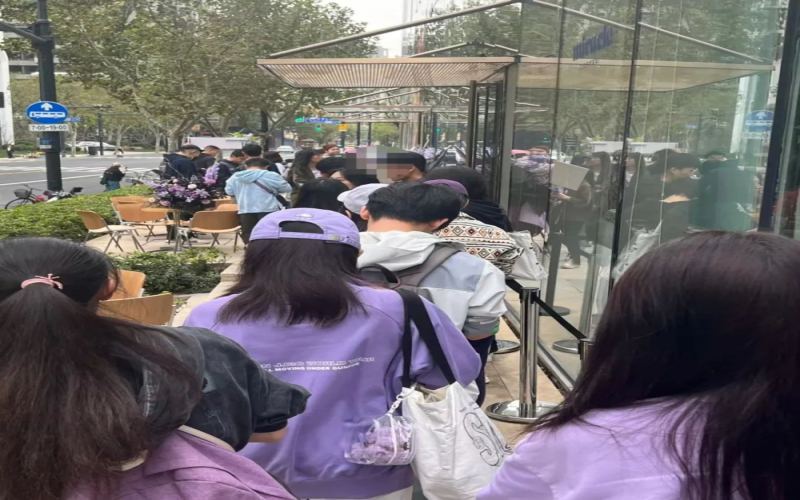
JJ Lin's Miracle Coffee Shanghai flagship store opens, fans line up for hours
Recently, Miracle Coffee, the coffee brand founded by JJ Lin, opened a flagship store at Shanghai Lakeside Plaza, drawing long queues of fans. This marks the brand's return to Shanghai after two years, following its 2019 pop-up store. The store has imposed purchase limits, but order processing speed is limited, and consumers still have to wait several hours. In recent years, Miracle Coffee has accelerated the rollout of permanent stores in multiple Chinese cities and is rumored to be entering more cities. Front Street Coffee will continue to follow developments in the specialty coffee market and bring coffee lovers more brand news. [more…]
Tims Coffee's first store in Ningbo ceases operations, its four-year journey comes to an end, sparking widespread discussion
Recently, the Tims coffee store located in Ningbo Tianyi Square officially closed. As the brand's first store in Ningbo, it had been operating for nearly four years since opening in April 2021. As soon as the news broke, many regular customers rushed to the store to take photos as mementos, while discussions about the reasons for the closure continued to ferment online. Some speculated that high rent and fierce brand competition within the commercial district were the main reasons, while others worried about the operating conditions of Tims' other stores in Ningbo. This article sorts through the entire process of the store from opening to closing, and summarizes various views from consumers and industry insiders, taking you through the ins and outs of the incident. [more…]
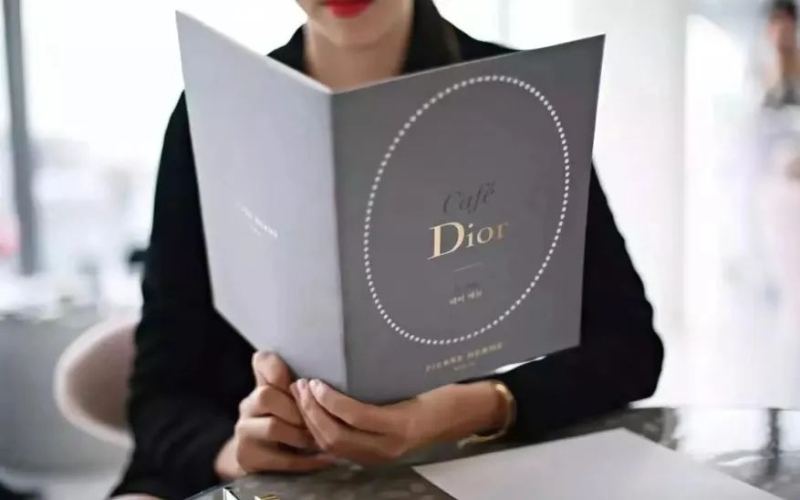
Dior's first mainland China store café opens, but goes viral for inviting a master to worship the God of Wealth—why are luxury brands moving into coffee?
It is no longer uncommon for luxury brands to venture into the coffee business. When Taikoo Li Qiantan in Shanghai opened last year, it was announced that the first Dior café in mainland China would move in, but the store had been operating as a pop-up, and after two theme changes, the coffee shop never materialized. It was not until July 31 this year, after a third theme change, that this Dior pop-up officially upgraded to a flagship store, and the first Dior café in mainland China opened along with it. Surprisingly, however, what truly sparked heated discussion among netizens was not the store design or the exquisite afternoon tea, but the scene of inviting a master to worship the God of Wealth at the opening ceremony. This article will take you through the whole story and explore the business logic behind luxury brands opening coffee shops. [more…]
Is Starting a Coffee Shop Really Self-Destruction? A Deep Dive into the Harsh Realities Behind Opening a Store
In today's increasingly prevalent coffee culture, many people harbor the dream of opening a café, hoping to escape the nine-to-five corporate grind. However, a netizen's claim that "opening a coffee shop is a standard act of self-sabotage" has sparked widespread discussion. Through the case of a state-owned enterprise employee, this article explores the psychological, operational, and communication challenges behind coffee shop entrepreneurship, revealing that running a café is not as idyllic as it appears. Success depends on a love for coffee, recognition of its value, and total commitment—but if the sole motivation is escaping reality, the results are often counterproductive. [more…]
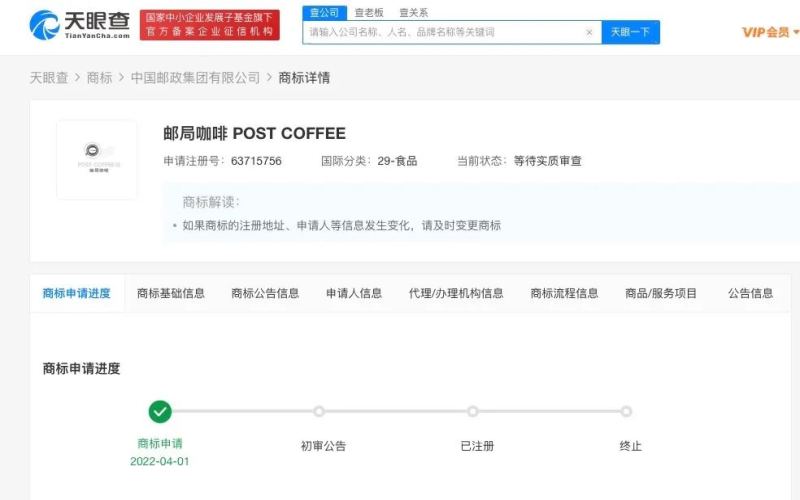
China Post's Coffee Trademark Application Rejected: An Analysis of China Post's Cross-Industry Layout and the Industry Boom
China Post's application for the "邮局咖啡 POST COFFEE" trademark was recently rejected, sparking widespread attention. Since the first store opened in Xiamen in February 2022, Post Coffee has expanded to four cities—Xiamen, Nanjing, Quanzhou, and Beijing—with six stores, focusing on a blend of postal nostalgia and cultural creativity. The co-founder had planned to open a hundred stores by the end of the year, but the trademark registration setback has led to widespread discussion online. Meanwhile, giants from various industries such as Li-Ning, Xtep, Tongrentang, and East Buy have entered the coffee sector. What are the prospects for cross-industry coffee ventures? This article reviews Post Coffee's expansion journey, product features, and trademark controversy, and takes stock of cross-industry dynamics in the industry. [more…]
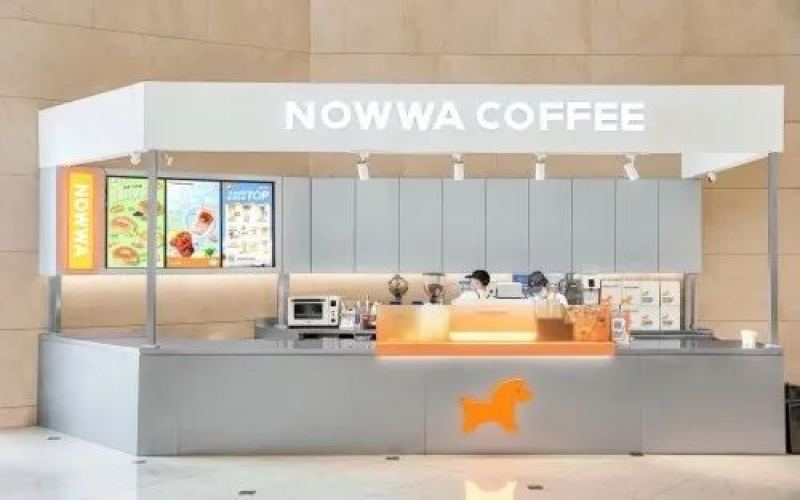
NOWWA Coffee opens 120 new stores simultaneously, total store count surpasses 1,700, covering over 100 cities
Nowadays Coffee recently announced the simultaneous opening of 120 stores. In addition to strengthening its presence in Guangzhou, the new stores also expanded into lower-tier markets in 10 cities including Nanchang, Jinhua, Huangshan, and Zhanjiang. This budget coffee brand, founded in Shanghai in 2019, is accelerating its penetration into the national market by relying on an asset-light model in which online delivery accounts for more than 75% of sales, as well as approachable pricing of around 15 yuan. As of July this year, its total number of stores ranked third among domestic coffee chains, with more than 1,700 stores nationwide covering over 100 cities. Against the backdrop of a coffee consumption market expected to reach a trillion-yuan scale by 2025, Nowadays Coffee's pace of expansion has drawn industry attention. [more…]
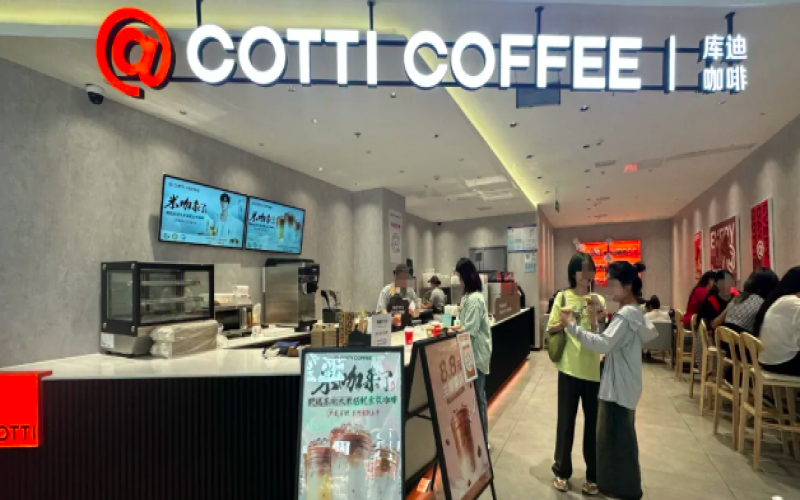
Just One Square Meter to Open a Store? Cotti's COTTI Express Store-in-Store Model Raises Concerns Among Franchisees
In the public perception, chain coffee stores usually require a certain amount of space for tables, chairs, and storage, so their scale is not too small. However, Cotti recently announced the launch of a convenient store format called "COTTI Express," using a store-in-store model to compress the minimum opening area to one square meter, greatly reducing both investment and the break-even point. In fact, brands such as Manner with Lianjia and Tims with Sinopec Easy Joy had already tried similar partnerships. Although this model enables low-cost rapid expansion, it has also raised concerns among franchisees about internal competition, pressure from convenience stores' own coffee brands, and quality control and food safety. Whether the store-in-store model can ultimately help brands capture a larger market still needs time to be tested. [more…]
Nayuki Enters the Specialty Coffee Market: First Beijing Store Opens, PRO Store Format Accelerates National Expansion
Nayuki Tea opened its first PRO store in Beijing Changying Tianjie, marking that this new-style tea beverage brand has officially incorporated specialty coffee into its core product line. Unlike regular stores, the PRO store format has undergone a comprehensive upgrade in space design, product structure, and service scenarios, offering seven specialty coffees, over thirty bakery products, and more than twenty kinds of self-produced snacks. Coffee is priced at 15 to 24 yuan, positioned as everyday specialty coffee. Previously, the PRO store format had been successfully validated in Shenzhen. Nayuki plans to open about 200 PRO stores in 2021, and has already established more than ten in Nanjing, Chengdu, Xi'an, Guangzhou, Harbin, and Beijing. This move not only fills Nayuki's gap in the specialty coffee market but also demonstrates its strategic intent to deepen its presence in new retail and expand business consumption scenarios. [more…]
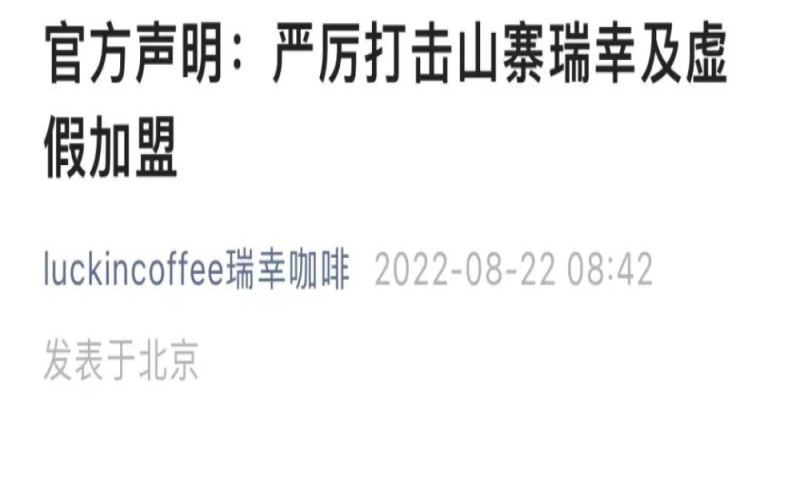
Luckin Coffee Solemnly Declares It Has Not Opened Franchising: A Full Analysis of the Chaos Surrounding Counterfeit Stores and Fake Agents
Recently, news about Luckin Coffee opening franchises has been circulating online, drawing attention from many consumers and entrepreneurs. However, Luckin officials quickly clarified: no form of franchise cooperation is currently open, and all so-called franchise and agency information is false. From counterfeit stores in Bangkok, Thailand to scam tactics using homophone accounts, the knockoff problem keeps emerging. This article will sort out the key points of Luckin's official statement, the history of the Little Deer Tea brand's merger, and insiders' interpretation of the franchise suspension, to help coffee lovers and potential investors distinguish truth from falsehood and avoid traps. [more…]

Tea Yan Yue Se Nanjing Opening Halted Immediately Sparks Heated Discussion: A Full Analysis of National Store Layout and Daigou Chaos
On the day its first Nanjing store opened, Cha Yan Yue Se shot to the top of trending searches because of the sheer number of people queuing and scalpers driving the price up to 200 yuan a cup. The Xinjiekou store was forced to close, while the Jiangning Jingfeng store remained open. The brand revealed that it plans to open five stores in Nanjing in the future, while market regulators made clear that scalping on behalf of buyers is illegal. This article reviews Cha Yan Yue Se's expansion trajectory in cities such as Changsha and Shenzhen, compares it with the development paths of similar brands such as Nayuki, and explores the balancing challenge facing internet-famous tea drinks among quality control, supply chains, and consumer rationality. [more…]
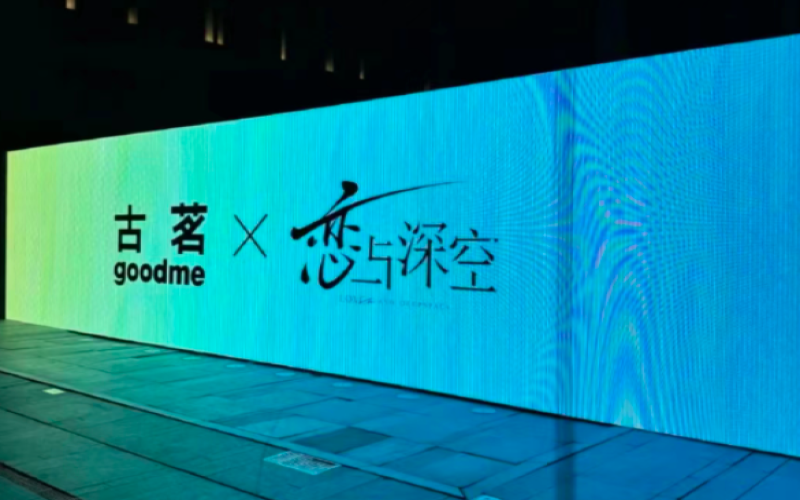
Guming's first pop-up store in Shanghai received 5,000 cup orders within two minutes of opening, and its collaboration with "Love and Deepspace" ignited fan enthusiasm.
The collaboration between Good-mee and the popular female-oriented mobile game "Love and Deepspace" opened a pop-up store in Shanghai that operated for only three days, marking Good-mee's first store in Shanghai. On the opening day, despite the heavy rain, fans arrived early to wait. Just two minutes after orders began at 10 a.m., the mini-program showed over five thousand drinks in production, forcing the store to close its ordering system for a break after only two hours of operation. This article documents the bustling scene of this collaboration event, the purchasing power of the fans, and the twists and turns caused by a previous merchandise leak incident. It also mentions Front Street Coffee's attention to industry trends. [more…]
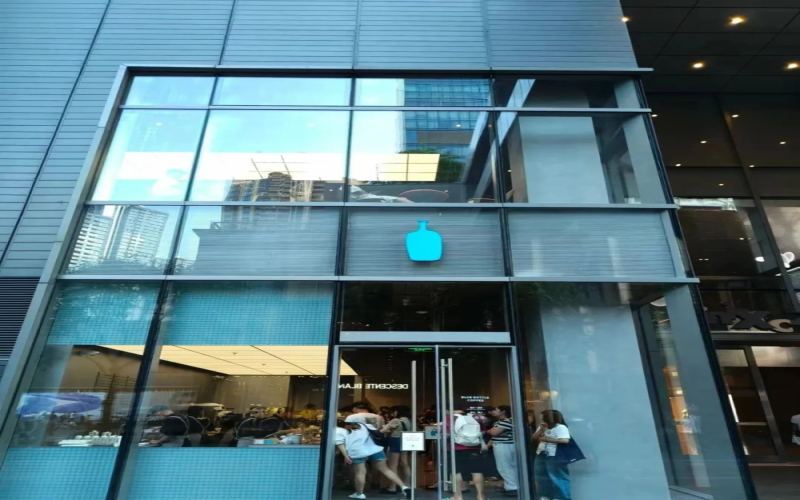
Blue Bottle Coffee's first South China store opens in Shenzhen MixC World, with a limited-edition blue dripper debuting alongside
Blue Bottle Coffee has officially announced the opening of its 9th store, located in Shenzhen MixC World, marking the brand's first entry into South China. The new store is designed by the Hong Kong young architect team COLLECTIVE, with the concept of "blue imagination related to the sea," incorporating the character of Shenzhen as a future city. The first floor of the store is the coffee preparation area, and the second floor is the customer enjoyment area, with varying shades of blue running through the bar, shelves, stairs, and tables and chairs. Most notably, the store launches the world's exclusive first blue dripper, which is only used and sold at the Shenzhen store. On the opening day, the queue once lasted up to two hours, and it returned to normal the next day. In addition, it is rumored online that Blue Bottle Coffee may enter Chengdu Taikoo Li and Xi'an MixC, and its expansion pace is worth watching. [more…]
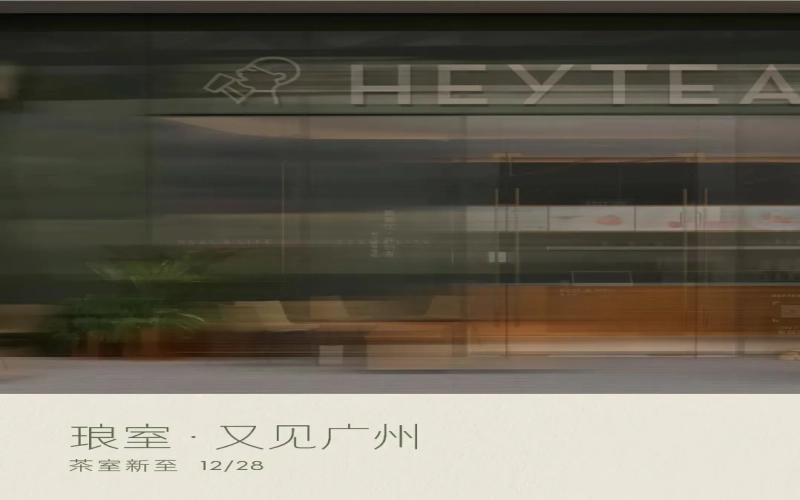
Chaos at Heytea's New Guangzhou Tower Store Opening as Limited-Edition Fridge Magnets Spark a Breakdown of On-Site Order
Last weekend, Heytea's new store at Canton Tower officially opened its doors to customers. What should have been a lively opening celebration instead turned into a complaint fest due to the chaotic rules for claiming limited-edition merchandise. The brand launched an exclusive fridge magnet inspired by the Canton Tower and promised that only 200 would be stocked each day, available on a first-come, first-served basis. As soon as the news broke, a large number of fans got up early on their day off and rushed to the scene, only to find disorderly queues, inconsistent explanations from staff, and the quantity of merchandise shrouded in mystery. What annoyed consumers even more was that after they had already placed orders and waited in a long line, they were told when they were about to check in that the merchandise had already been given out, and they could only come back the next day. How did this new store marketing campaign, which should have been a plus, spiral out of control step by step? [more…]
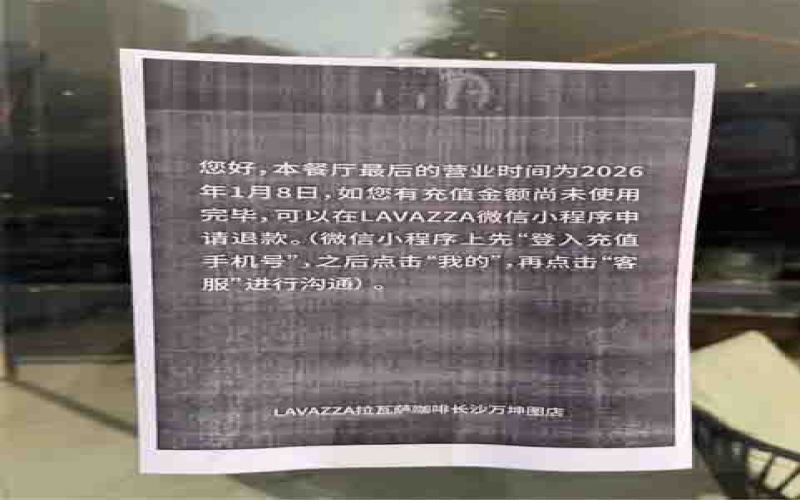
Lavazza stores in Changsha have closed one after another, and the century-old Italian brand may completely withdraw from the local market.
Recently, multiple consumers in Changsha have posted on social media claiming that Lavazza's Wankuntu store and Kaideyi store in Changsha will successively cease operations on January 8 and 9, 2026, and some local users have revealed that the brand will completely withdraw from the Changsha market soon. This century-old Italian coffee brand, once known as the "godfather of Italian coffee," opened its first store in Central China at Orange Isle Park in late 2021, creating quite a sensation at the time, and subsequently set up 5 stores in downtown Changsha. However, the first store quietly closed just one year after opening, and the Xingcheng Tiandi store also ceased operations at the end of March 2025. Now the remaining stores have also been reported to be closing. Long-time users have differing views on the brand's operational capabilities, product value for money, and market prospects. Some express regret, while others believe that adjusting the layout is a normal business decision. [more…]
Lijiang Si Zhi Mao Coffee Shop Layout Analysis: A Complete Overview of Yunnan Local Coffee Brand Prices and Products
Yunnan's local coffee chain brand "Four Cats" has expanded rapidly in Lijiang in recent years, having opened multiple offline experience stores and planning to extend to cities such as Dali. Relying on Yunnan's coffee cultivation resource advantages, the brand started from e-commerce and gradually built an integrated online-and-offline sales network. Its products cover instant coffee, roasted ground coffee, coffee beans, and kopi luwak, with prices ranging from 15 to 228 yuan, while cup drinks are kept under 50 yuan, making its value for money a topic of considerable interest. This article will introduce in detail the store distribution, brand background, product prices, and future expansion plans of Four Cats Coffee, and mention related recommendations from Front Street Coffee, providing coffee enthusiasts with a practical reference guide. [more…]
Can Tims China Catch Up? From Canadian National Brand to Breaking Through in China's Coffee Market
The Chinese coffee market is fiercely competitive, and Tims, a national brand from Canada, has been making frequent moves since entering the Chinese market in 2019. From its initial goal of 1,500 stores in ten years, to securing successive rounds of financing and forming strategic partnerships with Metro and Sinopec EasyJoy, Tims China is accelerating its expansion with a "coffee + bakery" combination and a pricing strategy of 15 to 30 yuan. At the same time, its process of listing in the United States has also attracted much attention. Will Tims ultimately move toward Luckin's internet-driven path, or Starbucks' third-space model? This article sorts out Tims China's development trajectory and strategic layout, taking you to explore the path of this young brand breaking through in China's coffee market. [more…]
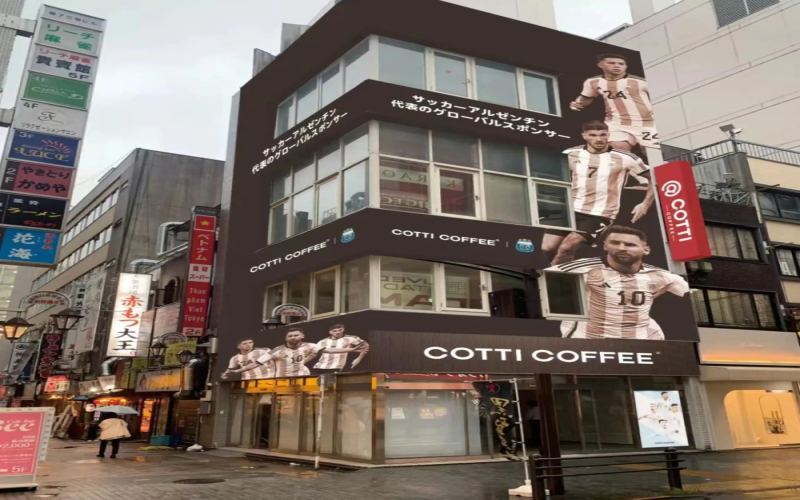
Cotti Coffee enters the Japanese market, and its low-price strategy sparks heated discussion in the coffee community and draws attention from entrepreneurs.
Since announcing its global strategy in August this year, Cotti Coffee has quickly opened two stores in Tokyo, Japan, drawing local consumer attention with opening promotional prices of 100-300 yen, and being dubbed by netizens as the "king of value for money." However, after the promotional period, prices will rise back to 500-650 yen, directly targeting well-known brands such as Starbucks. Japan's coffee market is fiercely competitive, with about 70,000 coffee shops nationwide. As a brand established only one year ago, why is Cotti in such a hurry to open stores in a mature market? Can its "Coffee Dreamer Program" and regional partner model help its overseas expansion? This article will provide an in-depth analysis of Cotti's international layout and the challenges it faces. [more…]
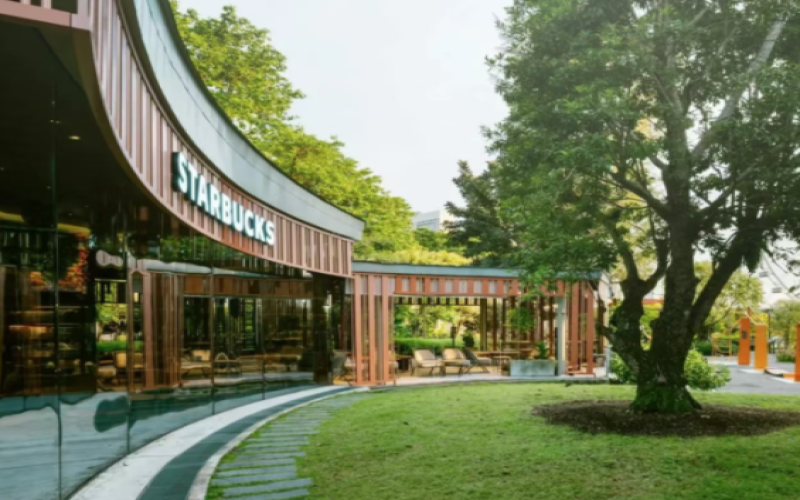
Starbucks opens its first community store in Singapore, located at Gardens by the Bay, focusing on mental health and neighborhood connections
Starbucks recently opened its first community store in Singapore at Gardens by the Bay, partnering with Gardens by the Bay and MINDSET Care to promote mental health awareness and community engagement. The store will use a portion of its beverage revenue to fund workshops and events for mental health organizations, and will host monthly "Wellness Interest Friday" activities, inviting seniors and caregivers to participate. Starbucks employees will also join year-round volunteer service, accompanying elderly residents of nursing homes on outings. The community store continues Starbucks' differentiated exploration since 2014, returning to the original spirit of a community café with warm design, family-friendly facilities, and relaxed ordering methods. Front Street Coffee will also continue to follow the global implementation and evolution of this store model. [more…]
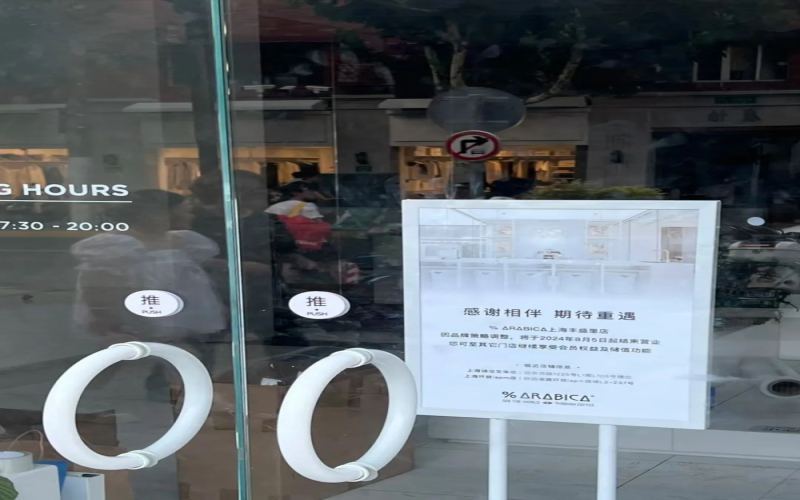
Shanghai Fengsheng Li %Arabica closes after only half a year in business, choosing to exit amid fierce specialty coffee competition
Recently, a %Arabica store in Shanghai's Fengsheng Li suddenly posted a closure notice, announcing that due to a brand strategy adjustment, it would cease operations on August 5, 2024. This store had only opened in February of this year and was once %Arabica's first location to offer ceramic dine-in cups, blending old Shanghai's Haipai style; customers could also blend coffee beans under the guidance of baristas and observe the roasting process. However, after just half a year, the store quietly exited, shocking many loyal customers. Nearby residents pointed out that the area around Fengsheng Li is densely packed with coffee shops and competition is extremely fierce, with brands such as Blue Bottle Coffee, Luckin, and Manner standing in abundance, plus limited foot traffic on weekdays, so this %Arabica's departure may be understandable. [more…]
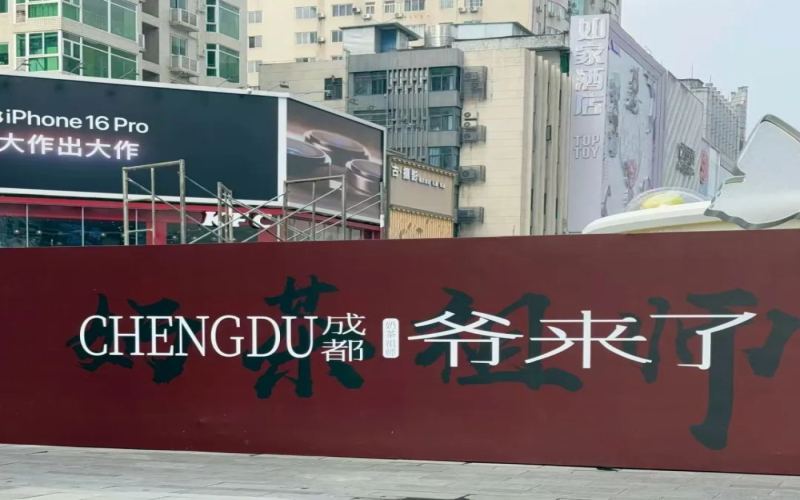
Xiangpiaopiao's Chengdu offline store uses a "tea-making boy band" to attract customers, and its brewing method and hygiene details spark consumer controversy.
The physical milk tea shop opened by Xiangpiaopiao on Chunxi Road in Chengdu has recently become a hot topic. The brand used a "tea-making boy band" as a selling point, recruiting male staff over 180 cm tall with good looks and charisma, and through social media voting selected 27 candidates, ultimately choosing 12 to work in the store. On opening day, long lines formed at the shop; the boy band members were responsible for packing orders and interacting with customers for photos, providing emotional value. However, some consumers pointed out that the drinks in the store are still mainly made by brewing tea bags and juice with hot water, which differs from mainstream freshly made tea beverages; the drink output efficiency is low, with wait times of up to half an hour, and photographers and other non-operational personnel were moving around the bar area taking photos without wearing masks or hats, raising questions about food hygiene. Xiangpiaopiao had previously used a similar strategy of highly attractive staff at a pop-up store by West Lake in Hangzhou, and this operation is seen as a continuation and upgrade of that marketing approach. [more…]